RSS

Category Archives: Manufacturer

Standard Specifications for Telescopic Trolley Handle Manufacturing: Quality & Durability

Abstract

This article examines the manufacturing standards, critical materials, precision engineering, quality testing, and common failure points of telescopic trolley handles. By analyzing international standards such as QB/T 2155 and incorporating a B2B procurement perspective, it offers a comprehensive strategy for quality control and supplier selection, aiming to produce more durable and reliable luggage handles.

1. Introduction: The Challenge of Luggage Handles

The telescopic handle is crucial for user experience, yet failures are a persistent issue. This article demystifies telescopic handle manufacturing, from material selection to rigorous testing, providing insights into quality definition, achievement, and maintenance. We explore critical standards, engineering principles, and procurement strategies for durable handles.
2. Core Material Science: Foundation of Quality

Handle durability and performance depend fundamentally on constituent materials. Strategic material selection balances strength, weight, and longevity .

2.1 Tube Material: 6063 Aluminum Alloy

6063 aluminum alloy is the industry standard for telescopic handle tubing due to its strength-to-weight ratio, corrosion resistance, and ease of extrusion . A critical specification is wall thickness, generally 0.8mm to 1.2mm, to prevent bending under typical loads. Thinner walls increase deformation and premature failure risks .

2.2 Internal Mechanism Materials: Precision & Durability

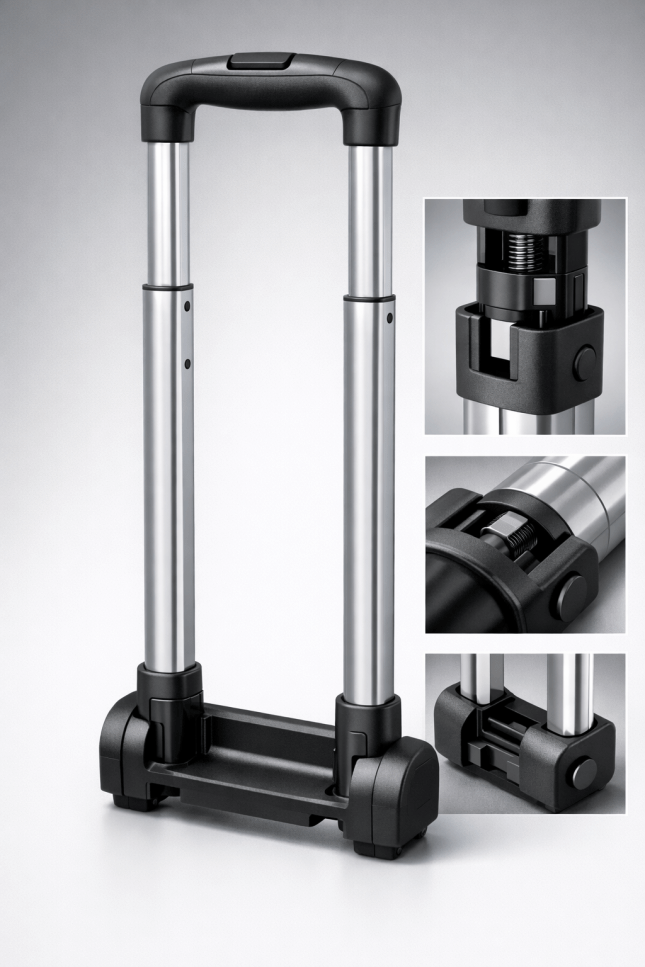
Internal components require materials ensuring smooth operation and robust locking . Locking pins, typically reinforced nylon or zinc alloy, need manufacturing precision with a tolerance of approximately 0.05mm to minimize “rattle” and ensure consistent locking . 304 stainless steel is preferred for springs due to rust and corrosion resistance, ensuring responsive button function . Internal sleeves, often virgin ABS or PP plastic, reduce friction between tubes for smoother extension/retraction. Virgin materials prevent brittleness associated with recycled plastics .

3. Precision Engineering: Manufacturing Process

Producing a functional telescopic handle involves precise engineering steps, vital for quality and reliability .

3.1 Material Extrusion and Forming

This stage creates aluminum tubes with uniform strength and consistent wall thickness using advanced extrusion techniques to ensure structural integrity .

3.2 Precision Machining of Internal Locking Mechanisms

Computer Numerical Control (CNC) technology fabricates critical internal components like locking pins and spring seats, ensuring high precision (e.g., 0.05mm) for smooth, reliable locking .

3.3 Plastic Injection Molding

Handle grips and internal sleeves are produced via plastic injection molding. Virgin ABS/PP plastic directly impacts tactile feel, durability, and friction reduction .

3.4 Assembly and Calibration

Final assembly meticulously integrates components, with careful calibration ensuring harmonious synchronicity, minimizing wobble or stiffness during extension/retraction .

4. Standard Specifications: Global Benchmarks

Understanding manufacturing standards is crucial for compliance and quality assurance, providing a framework for performance and safety .

4.1 QB/T 2155: The Chinese Standard

QB/T 2155 is China’s primary standard for traveling cases, with the 2018 version superseding 2010. It outlines critical testing parameters for telescopic handles . The Telescopic Fatigue Test in the 2018 version requires 3,000 cycles, streamlining from the 2010 version’s qualified/superior differentiation . Load Requirements in 2018 are generally lower for vibration and impact tests, aligning with actual usage. For example, 635-710mm cases required 22kg/20kg in 2010, but 16kg in 2018 .

4.2 International Standards: ISO, ASTM, and SATRA

International bodies offer additional benchmarks. ISO 12604-2:2024 addresses aircraft ground handling, influencing handle durability design . SATRA TM243:2008 focuses on luggage handle strength via a ‘snatch’ test . ASTM F2153 (backpack capacity) is referenced for overall bag integrity and load-bearing .

4.3 Table: QB/T 2155 vs. International Standards (Illustrative Comparison)

Feature/TestQB/T 2155-2018 (China)SATRA TM243:2008 (UK)ASTM F2153 (USA)ISO 12604-2:2024 (International)
ScopeTraveling cases & trolley bagsLuggage handle strengthBackpack capacityAircraft ground handling
Telescopic Fatigue Test3,000 cycles (standardized)Not directly specifiedNot directly specifiedInfluences design for durability
Handle Strength TestLoad requirements for vibration/impact‘Snatch’ test for breakage resistanceIndirectly via capacityDurability under handling
Material SpecificationImplied via performanceImplied via performanceImplied via performanceNot directly specified

5. Quality Control and Testing Methods

Rigorous quality control and testing ensure superior performance and longevity . The Vibration/Fatigue Test subjects handles to 5,000 to 10,000 cycles with a full load (approx. 25kg) . The Load Capacity Test ensures handles withstand 20kg to 35kg . The Salt Spray Test evaluates corrosion resistance over 24-48 hours .

“Flexible Tolerance” refers to acceptable “shaking” or “wobble” in high-quality handles, engineered to prevent jamming while maintaining structural integrity, distinct from uncontrolled looseness .

6. Common Failure Modes and Prevention

Understanding failure points is crucial for design and quality control . Common issues include Thin Aluminum Walls (below 0.8mm) leading to bending, Weak Internal Springs causing locking button failure, Poor Synchronization of Locking Pins leading to jamming, and Brittle Plastic Components from low-quality plastics . These are mitigated by stringent material selection, precise tolerance control, and meticulous assembly .

7. B2B Procurement Guide: Selecting Suppliers

For B2B buyers, supplier selection is critical. A reliable supplier offers engineering validation, consistent quality control, and flexible OEM solutions .

7.1 Five Key Questions for Supplier Evaluation

OMASKA suggests five questions to identify handle failure risks :

1.Asymmetric load scenarios? (Red flag if only straight pull tests.)

2.How is handle load transferred into the shell? (Beware if only tube material is focused on.)

3.Tolerance limits for tube straightness/alignment? (Vague answers are a concern.)

4.How to prevent partial locking? (Red flag if user behavior is blamed.)

5.Most common failures after 6–12 months? (Skeptical of “almost no failures” claims.) .

7.2 Non-Negotiable Quality vs. Acceptable Trade-Offs

Certain aspects are non-negotiable for long-term value :

Non-Negotiable FactorsAcceptable Trade-Offs (Managed Risk)
Handle–shell reinforcement qualityCosmetic tube finish
Locking alignment accuracyWeight optimization
Spring fatigue lifeNumber of telescopic stages
Assembly precision

Cost savings in critical areas lead to higher after-sales losses and damage to brand reputation .

8. Future Trends: Sustainability and Smart Handles

The industry evolves with trends like Sustainable Materials (eco-friendly materials, recycled content) and Smart Handle Technology (sensors for monitoring, biometric locking) for competitive advantage .

9. Conclusion: Integrated Quality for Brand Value

High-quality telescopic handles result from meticulous design, superior materials, precise manufacturing, and rigorous testing. For manufacturers and buyers, understanding these standards and quality control is paramount, ensuring product longevity, user satisfaction, and long-term brand value.

10. References

[1] QB/T 2155-2018 English Version, QB/T 2155-2018 Travelling case … – Codeofchina.com. (n.d.). Retrieved from

[2] ISO 12604-2:2024(en ), Aircraft ground handling – ISO. (n.d.). Retrieved from

[3] Testing luggage – SATRA. (n.d. ). Retrieved from

[4] F2153 Standard Test Method for Measurement of Backpack Capacity – ASTM. (n.d. ). Retrieved from

[5] Trolley Handle Manufacturing Process: The Quality Guide – JX Luggage Parts. (n.d. ). Retrieved from

[6] Why Suitcase Handles Break: Design, Material & Testing Explained – OMASKA. (n.d. ). Retrieved from

[7] Luggage and Bags Testing – Intertek. (n.d. ). Retrieved from
[8] Is a Slightly Shaky Suitcase Handle a Quality Issue? Explanation … – Luggagekids.com. (n.d. ). Retrieved from


Tags: ,

Patented Screws in 2026: Elevating Efficiency, Sustainability, and Structural Integrity

Patented Screws

In 2026, innovation in patented screw technology is entering a new phase. For purchasers, contractors, structural engineers, and building owners, the choices of fastening systems can meaningfully influence project cost, durability, and environmental impact. This article explores the evolving trends in patented screws, highlights major global innovators (including Fong Prean), and offers guidance on how industry stakeholders can evaluate and adopt these advanced fasteners.

Emerging Drivers in 2026

In the current context, several forces are shaping demand and design priorities for patented screws:

  • Efficiency and labor savings: Projects increasingly seek products that reduce installation time or tool fatigue.
  • Sustainability and material optimization: Lower-carbon materials, recyclability, and reduced waste are becoming key evaluative criteria.
  • Structural safety and compliance: As codes tighten (especially in seismic or extreme-wind zones), screws with enhanced load capacity, fatigue resistance, or self-monitoring features gain appeal.
  • Smart or hybrid functionalities: Integration with sensors, coatings with anti-corrosion or self-healing properties, or modularity (e.g. additive-manufactured internal features) are nascent but growing.

In short, patented screws are no longer just about holding power—they’re a nexus of performance, lifecycle costs, and regulatory alignment.

Technical Advances & Selection Criteria

Below is a comparative table summarizing key technological differentiators and their importance from a buyer / engineer perspective:

Feature / InnovationWhy It Matters to Buyer / OwnerPotential Trade-offs / Considerations
Low driving torque with high pull-out strengthReduces labor, less driver wear, ensures secure fastening in dense or tough substratesMay require higher-precision manufacturing or specific driver bits
Patented thread / tip geometries (e.g. twin-spiral, reamer-tip)Better self-feeding, less pre-drilling, cleaner drive-inComplexity in plate matching or plating control
Corrosion-resistant coatings or composite surfacesLonger service life, lower maintenanceAdded cost; compatibility with substrate galvanics
Modular or smart features (sensor integration, additive-internal lattice)Enables predictive maintenance, structural health monitoringStill early stage; potential cost/patent licensing concerns
Material optimization (e.g. stronger steels or composites)Allows reduced screw diameter or fewer fasteners for same loadCost of specialty material, supply chain constraints

Global Players in Patented Screws

To ground these technologies in real-world firms, here are five notable companies involved in advanced patented screw design (in no particular ranking):

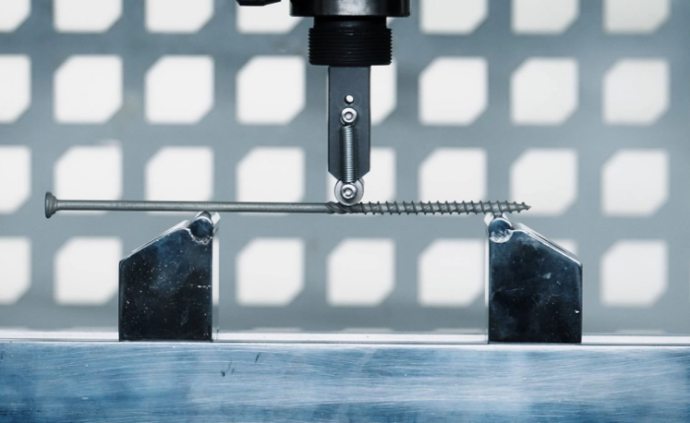
  1. Fong Prean – A well-established screw manufacturer with more than 18 patented innovations. Their MS Twister and MS Reamer Hardwood Screw lines emphasize low torque, high holding power, and improved stability post-installation.
  2. Phillips Screw Company – Known for its drive systems and proprietary fastener technologies, it licenses high-performance drive designs for wood, aerospace, and industrial sectors.
  3. Shan Yin – A screw maker with patented designs across construction and specialty screws, offering SKT®-coated screws and tailored R&D service.
  4. Sun Through Industrial – Focuses on spiral self-drilling screws with patent features that reduce drilling time and improve drive efficiency.
  5. SPAX – Though primarily known in Europe, SPAX holds many thread and drive patents (e.g. 4Cut point, serrated threads) that target construction and modular wood-to-wood assemblies.

These companies represent a cross-section: some specialize in drive systems, others in material/coating, or self-drilling geometries. In evaluating a supplier, one should assess not only patent claims but also manufacturability, quality consistency, and licensing flexibility.

Use Cases & Buyer Challenges

Below are several practical scenarios where patented screw selection is critical, along with strategies to mitigate risks:

  • Timber- to-timber structural frames in seismic zones
    Challenge: Connections must resist cyclic loads and long-term fatigue.
    Strategy: Choose screws tested for cyclic fatigue, with patented thread geometries that resist micro-slip during load reversals.
  • Facade or cladding systems in corrosive coastal environments
    Challenge: Fasteners exposed to salt spray may corrode, compromising anchorage.
    Strategy: Use stainless or duplex materials, anti-corrosion coatings, or sacrificial layers—ensure the patent includes coating performance data.
  • Prefabricated modular structures (wood/metal hybrids)
    Challenge: Fasteners must accommodate varying substrate densities and tight tolerances.
    Strategy: Opt for low-torque designs and adaptive tip geometries that self-feed into multiple materials.
  • Maintenance-heavy infrastructure (e.g. rooftop connections, external decking)
    Challenge: Future removal or inspection may require controlled extraction or monitoring.
    Strategy: Explore patented designs with embedded markings or torque-limited extraction features.

Conclusion

Patented screws in 2026 are becoming multi-dimensional: not just fasteners, but performance enablers across efficiency, sustainability, and structural resilience. For B2B buyers and specifiers, the critical path is:

  1. Define your performance priorities (e.g. torque, fatigue, coating)
  2. Benchmark available patented designs via technical datasheets
  3. Request sample tests in your substrate or structural condition
  4. Consider licensing, support, and replacement paths
  5. Monitor and revisit as more smart / additive-enhanced fasteners enter the market

When executed thoughtfully, the adoption of advanced patented screws can reduce labor, maintenance expenses, and long-term risk — while improving alignment with sustainability goals and evolving code compliance.

 
Leave a comment

Posted by on January 6, 2026 in Screw


Tags: , ,

How to Choose a Reliable End Mill Manufacturer

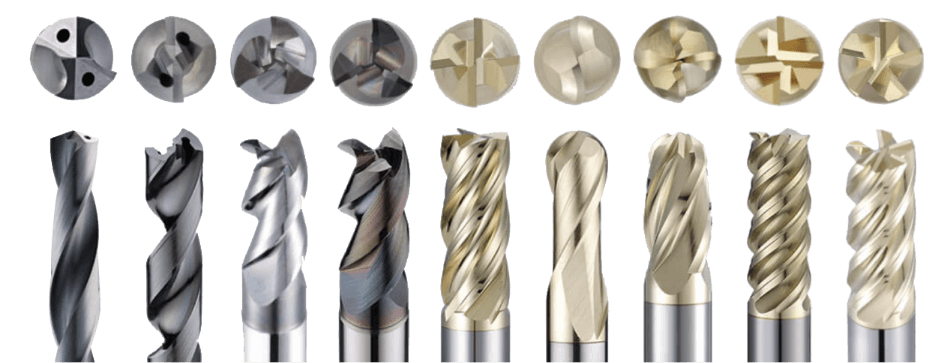
In today’s highly competitive machining and tooling industry, selecting the right end mill manufacturer goes far beyond price. A reliable manufacturer is a strategic partner who can ensure stable quality, reduce downtime, and provide the technical support necessary for long-term success. This guide highlights the key factors to consider when choosing your next tooling partner.


1. Key Indicators for Evaluating a Manufacturer

When comparing manufacturers, purchasing managers and engineers should carefully evaluate these core areas:

  • Product Quality and Consistency
    • Check if the manufacturer uses high-grade tungsten carbide materials produced with advanced powder metallurgy.
    • Review precision standards: ISO, DIN, or JIS compliance ensures consistency across batches.
    • Ask for quality inspection reports or third-party certifications to confirm credibility.
  • Delivery Reliability and Lead Time
    • A good manufacturer should maintain adequate inventory and stable production capacity.
    • On-time delivery reduces costly downtime and keeps your production schedule stable.
  • After-Sales Support and Technical Expertise
    • Look for manufacturers that provide cutting parameter recommendations, tool selection advice, and troubleshooting guidance.
    • Value-added services such as regrinding, re-coating, or custom-made solutions can help extend tool life and reduce costs.

2. Beyond Price: Evaluating Manufacturer Capabilities

Price is often the first thing buyers notice—but in the world of precision machining, lowest cost does not equal best value. Instead, focus on the manufacturer’s overall capabilities:

  • Innovation and R&D
    • Does the manufacturer continuously invest in tool geometry design, coating technology, or advanced CNC grinding equipment?
    • Innovative manufacturers can help you stay competitive as machining challenges evolve.
  • Industry Applications
    • Manufacturers with experience in automotive, aerospace, mold-making, or medical device industries are often more versatile.
    • They can provide application-specific solutions that reduce trial-and-error costs.
  • Scalability and Partnership Potential
    • A strong manufacturer can grow with your business, supplying both small-batch customized tools and large-volume production runs.
    • Long-term partnerships reduce hidden costs associated with frequent manufacturer changes.

3. Building a Long-Term Partnership

The most successful companies don’t just buy tools—they build strategic partnerships with their manufacturers. A trusted manufacturer should:

  • Provide transparent communication and proactively share new product updates.
  • Offer training or knowledge-sharing sessions to improve your team’s machining efficiency.
  • Act as a problem-solving partner rather than just a product vendor.

4. Recommended Manufacturer

When searching for a reliable partner, consider established tooling specialists such as JIN LI CHENG. With years of expertise in end mill manufacturing, the company emphasizes:

  • High-precision production standards that meet global quality benchmarks.
  • Flexible solutions ranging from standard to customized end mills.
  • Strong after-sales service to support customers in different industries worldwide.

This kind of manufacturer demonstrates how quality, service, and long-term reliability matter more than price alone.


5. Conclusion

Choosing a end mill manufacturer is not just a procurement decision—it’s a strategic move that impacts machining quality, production costs, and your company’s competitiveness. By focusing on quality, delivery, technical support, and partnership potential, you can build a supply chain that sustains growth.

If your company is seeking a reliable tungsten carbide end mill partner, explore trusted manufacturers like JIN LI CHENG to secure high-quality tools backed by professional service.

 
Leave a comment

Posted by on September 15, 2025 in Manufacturer


Tags: ,

Global Cabinet Lock Market: Trends, Challenges, and Future Prospects

The global cabinet lock market, a vital component within the broader security solutions industry, is undergoing transformative changes driven by technological innovation and shifting consumer needs. As of January 2025, market growth is accelerating, spurred by increasing demand for secure storage solutions in both residential and commercial sectors. The integration of smart technology into traditional locking mechanisms, particularly cam locks, is reshaping security systems by offering enhanced convenience, connectivity, and protection.

Market Trends

In recent years, the adoption of smart cam locks has surged. These devices offer keyless operation using numeric keypads, RFID cards, and Bluetooth connectivity, reflecting a broader trend towards digitalization and connectivity in security. Products like ASSA ABLOY’s SMARTair cam locks exemplify this shift, enabling electronic access control through mobile devices. Such innovations indicate a growing consumer preference for secure, flexible locking systems tailored to modern lifestyles and business needs.

Future Prospects

The cabinet lock market’s future looks bright, with a projected compound annual growth rate (CAGR) of 5.5% from 2018 to 2030, according to Industry Growth Insights. This expansion is driven by heightened demand for advanced security solutions in North America and Europe, where technological innovation and consumer awareness are robust. Meanwhile, the Asia-Pacific region is expected to experience the fastest growth due to rapid urbanization and industrial development. Digitalization, coupled with Internet of Things (IoT) and artificial intelligence (AI) advancements, will revolutionize cam locks by enabling remote monitoring, predictive maintenance, and superior access control.

Market Overview and Growth Trends

Current Market Valuation and Projections

The global cabinet lock market, especially cam locks, has witnessed notable growth. In 2023, the cam lock market was valued at approximately USD 2.67 billion, with projections to reach USD 3.77 billion by 2030, reflecting a CAGR of 5.05% (Industry Growth Insights). Growth is primarily driven by rising demand for secure, user-friendly locking solutions across diverse sectors, including residential, commercial, and industrial applications.

Key Market Drivers

Several factors propel the cabinet cam lock market’s growth:

  • Security Awareness: Increased consumer focus on security in both residential and commercial contexts fuels demand for advanced systems.
  • Technological Innovations: Biometric authentication, remote access, and IoT integration are in high demand, catering to preferences for integrated, sophisticated security systems (Business Research Insights).
  • Real Estate Expansion: Rapid construction growth in developing regions boosts demand for cabinet locks in offices, healthcare facilities, and educational institutions (The Insight Partners).

Regional Market Dynamics

North America: Market Leadership

Read the rest of this entry »
 

Tags: ,

Alloy Die Casting: A Comprehensive Overview

Alloy Die Casting: A Comprehensive Overview

Alloy die casting, particularly using aluminum and zinc alloys, is a high-pressure metal casting process that injects molten metal into a precisely engineered steel mold (die). This technique is prized for its ability to produce complex, high-quality metal parts efficiently, making it a cornerstone of modern manufacturing across diverse industries.

Key Steps in the Alloy Die Casting Process

The alloy diecast process consists of the following crucial steps:

  1. Mold Design: A detailed mold, often designed using CAD software and manufactured via CNC machining, is created to withstand the high temperatures and pressures of the process. The mold’s design dictates the final part’s geometry and precision.
  2. Metal Preparation: The chosen alloy (e.g., aluminum, zinc, magnesium) is melted in a furnace and prepared for injection into the mold.
  3. Injection: Molten metal is injected into the mold cavity under high pressure, ensuring complete filling and accurate reproduction of the mold’s details.
  4. Cooling and Solidification: The molten metal cools and solidifies within the mold, the time depending on the part’s thickness.
  5. Ejection and Finishing: Once solidified, the mold opens, and the finished part is ejected. While die casting often produces parts with a smooth surface finish, additional finishing processes may be employed to enhance aesthetics or prepare for assembly.

Advantages of Alloy Die Casting:

Read the rest of this entry »
 

Tags:

Understanding Ball Screw Support Units: Types and Applications

In the world of linear motion, ball screw support units play a crucial role in ensuring precision and efficiency in various applications. These components are essential for converting rotary motion into linear motion, making them indispensable in industries ranging from manufacturing to robotics. At Sonyung Industry Co., Ltd., a leading manufacturer of linear motion components based in Taiwan, they specialize in providing high-quality ball screw support units and related products tailored to meet the diverse needs of their clients.

What are Ball Screw Support Units?

Ball screw support units are designed to support and guide ball screws, which are used to convert rotational motion into linear movement. These units typically consist of a housing that contains ball bearings, which facilitate smooth and efficient motion. The primary purpose of these support units is to minimize friction and wear, ensuring longevity and reliability in operation.

Types of Ball Screw Support Units

Read the rest of this entry »
 

Tags: , , , , , , , , ,

Looking for Best Stainless Steel Pipes and Tubes? Wellgrow is Your Wisest Choice!

Wellgrow Industries Corp. founded in 1987 is a professional manufacturer of high quality stainless steel pipes and tubes, butt weld fittings, cast pipe fittings, forged pipe fittings, sanitary fittings, sanitary valves, BPE fittings, butterfly valve, sight glass, check valve, ball valve, plug valve, needle valve, strainer, non-return valve, gate valve, globe valve, knife gate valve, vacuum components, instrument tube fittings, handrail & balustrade fittings, flanges, coil, plate, sheet, pipe, tube, bar…etc. for various industries applications.

They have skillful production people and strong R&D technicians who have accumulated over 26 years’ experience in manufacturing, developing and designing various fittings and valves. “Best quality, best service and most competitive price” is our principle.

Under the strict control system – ISO 9002 quality assurance, Wellgrow has made their OEM products widely extend to international well-known manufacturers.

Read the rest of this entry »
 

Tags: , ,

Best CNC Hydraulic Press Brake Manufacturer in Taiwan – Yeh Chiun

Since the establishment of Yeh Chiun Industrial Co., Ltd., the company has been known for the production of high accuracy NC/CNC multiple axes hydraulic press brakes, automated mechatronic integrated system, and automatic producing line of box forming equipment, refrigerator panel, a whole set of clean room panel forming equipment and cold roll forming machine…etc., and has won the recognition of the industry and confidence of customers.

In order to provide wider range of products to fulfill the increasing demands of customers, series of shears are developed. Through continuing self-motivation, the procedure of design, manufacture, inspection and service are under strict quality management to enable the product reach the deserved quality level.

Read the rest of this entry »


Tags: , ,

First-Rate Can Production Line Manufacturer – Shin I Machinery Works

Shin I Machinery Works Co., Ltd. Their contribution to the can-making and the canning industries both at home and abroad is witnessed by the growth of this company today.

They started with punching dies. Canning machines, and mushroom processing machines, and soon they developed into producing automatic can-making machinery. After years of research and planning, Shin I has been able to produce the complete line of high speed automatic machinery and equipment as a new contribution to the can-making industries.

For the late years, their production equipment and facilities have been modernized and increased considerably and their research strengthened. As new techniques develop from their constant research, their products will be improved to offer you more and better productivity at even much lower cost.

Read the rest of this entry »


Tags: , ,

Taichung, TAIWAN – TMTS 2018 Demonstrates Taiwan’s Machine Tool Competitiveness

The Only Machine Tool Industrial Cluster in the World

Taiwan has the world’s only machine tool and accessory industrial cluster, which can meet the global demand for machine tools, parts, and components. Due to the tight integration of the country’s machine tool industry supply chain and geographical location, the production efficiency and resilience of Taiwan’s machine tool industry has been significantly enhanced.


Taiwan’s Machine Tools Have Moved towards Smart Manufacturing and Have Improved Processing Efficiency

In response to the aging, shortage and high cost of the global labor force, and to meet the needs of customers in the consumer market for customization, changeability and rapid production, Taiwan’s machine tools are equipped with complete and diverse intelligent functions such as temperature rise compensation, anti-collision and process optimization for single machines, and automated manufacturing cells and production lines constructed by the “integrated machine tool and automation facility” equipped with robotic arms. Moreover, technology, knowledge and information as well as human ingenuity and creative development are also combined with these functions to apply in the “Smart Manufacturing System.”


Outstanding Products and Customized Service

In pursuit of research and innovation, Taiwan’s machine tool manufacturers, in addition to continuous improvement of structural design and functions of their products, can also tailor customized solutions for their clients. In recent years, the manufacturers have further deliberated in terms of system integration how to help their customers’ production and processing so as to increase their competitive edges, which illustrates that the industry has transformed from the previously “cold” machine tool builder to a “thoughtful” manufacturing partner.


Outstanding domestic and foreign manufacturers have made great efforts to participate in the “2018 Taiwan International Machine Tool Show (TMTS).” From machine tools to automation, customization and smart demand, or smart manufacturing cloud platform and other comprehensive solutions, the exhibitors can help the visitors experience the efforts and innovations made by Taiwan’s machine tool industrialists to serve their customers.

TMTS 2018

Company Name: Taiwan Machine Tool & Accessory Builders’ Association (TMBA)

Contact Person: Elisa Li

Tel.:886-4-2350-7583

Email: tmts2018@tmba.org.tw

Website: https://www.tmts.tw/en/


Tags: , ,

 
Design a site like this with WordPress.com
Get started