In the rapidly expanding sectors of Electric Vehicle (EV) infrastructure and Energy Storage Systems (ESS), procurement managers face a constant challenge: balancing the Bill of Materials (BOM) costs with the requirement for durability. As the industry scales, the choice of component materials—specifically regarding industrial hardware like latches and locks—has become a focal point for cost optimization.
Traditionally, heavy industry defaulted to Stainless Steel for its undeniable durability. However, industry analysis suggests that for many modern applications, this may be a case of “over-specification.” While stainless steel (grades 304/316) remains the superior choice for extreme marine environments or chemical processing plants due to its corrosion resistance, its high cost and difficult fabrication process can inflate production budgets unnecessarily for standard outdoor or indoor equipment.
On the other end of the spectrum lies Thermoplastic (often referred to as Plastic Steel). While this material offers significant advantages in terms of electrical insulation and cost reduction, it often fails to meet the tactile expectations of high-value equipment. In the B2B market, the “feel” of a latch or handle contributes to the perceived quality of the entire unit. Lightweight plastic components can sometimes signal a lower tier of quality to end-users.
This market gap is increasingly being filled by Zinc Alloy. From a supply chain perspective, Zinc Alloy die-casting offers a strategic middle ground. It provides the physical weight and robustness associated with metal components but at a manufacturing cost significantly lower than stainless steel. Furthermore, Zinc Alloy allows for precise plating and finishing, enabling manufacturers to achieve high corrosion resistance suitable for most EV charging and data center environments without the premium price tag of steel.
For procurement officers, the key takeaway is context.
Select Stainless Steel only when environmental salinity or acidity demands it.
Select Thermoplastics when non-conductivity or weight reduction is the primary engineering constraint.
Select Zinc Alloy for the majority of standard industrial applications where a balance of cost, strength, and premium appearance is required.
By aligning material selection strictly with use-case requirements, manufacturers can significantly reduce unit costs without compromising on quality.
For those seeking specialized industrial hardware solutions tailored to these material specifications, industrial door latches manufacturers such as YOE SHIN provide comprehensive consultation and production services.
For brand managers and procurement specialists in the hardware industry, sustainability has decisively shifted. It is no longer a peripheral chapter in a corporate social responsibility report but a core metric for sourcing, product design, and long-term competitiveness. Among the various pathways to a smaller environmental footprint, integrating Post-Consumer Recycled (PCR) materials stands out as one of the most direct and measurable actions a manufacturing partner can take. However, transitioning to PCR plastics in durable products like locks is not a simple material swap—it is a strategic decision that intersects with engineering, compliance, cost, and brand narrative.
Demystifying Performance: The Reality of PCR in Durable Hardware
A significant barrier to adoption is the perceived trade-off between sustainability and performance. It’s time to move past these myths with modern material science and proven industry practices.
Myth 1: The Strength Sacrifice. The assumption that recycled plastic is inherently weaker is outdated. Advanced sorting, purification, and polymer modification techniques now yield high-performance PCR compounds. For critical applications, leading manufacturers are validating these materials through rigorous protocols. For instance, in developing PCR-based cables for security locks, Sinox’s R&D center conducted over six months of intensive testing focused on strength & durability, processing consistency, and long-term performance under environmental simulation. The resulting product, backed by a complete TC Report, demonstrates that PCR materials can meet the stringent requirements for tensile strength and longevity expected in demanding hardware.
Myth 2: The Aesthetic Compromise. Concerns about inconsistent color, texture, or surface finish are valid but solvable. Through masterbatch engineering and controlled processing parameters, manufacturers can achieve a consistent, high-quality finish with PCR resins. This allows brands to deliver on their premium look and feel without compromising their environmental goals.
The Strategic Value Proposition: Why Brands Should Mandate PCR
Specifying PCR materials transcends environmental stewardship; it delivers tangible business value to forward-thinking brands.
Future-Proofing Against Regulation. Proactively adopting PCR is a strategic risk mitigation tool. Regions like the European Union are implementing plastics taxes and mandatory recycled content laws. Brands that have already established supply chains for PCR-compliant products will avoid disruptive, costly scrambles to comply.
Enhancing Cost and Supply Resilience. While pricing fluctuates, PCR materials can provide a buffer against the volatility of virgin plastic prices. Building a diversified material portfolio enhances long-term supply chain stability.
Building a Credible Product Narrative. In an era of greenwashing skepticism, PCR content offers a quantifiable and verifiable claim. It provides marketing teams with a substantive story rooted in circular economy principles.
Driving Collaborative Innovation. Partnering with a manufacturer experienced in PCR integration fosters innovation. It challenges teams to re-evaluate designs for efficiency and can even lead to new product categories.
A Practical Framework for Brand and Manufacturer Collaboration
Transitioning to PCR successfully requires a structured partnership. Brands should seek manufacturers who can navigate this journey with transparency and proven methodology.
Phase 1: Define Goals and Specifications. Is the target a specific PCR percentage, a carbon footprint reduction, or alignment with a certification? Clear, shared targets from the outset are crucial.
Phase 2: Co-Develop and Rigorously Test. This phase is non-negotiable. It involves joint material selection and prototype testing. Brands should look for partners who undertake comprehensive validation, similar to the multi-dimensional testing approach (covering strength, consistency, and aging) employed in the aforementioned lock cable development case. Requesting and reviewing detailed test reports and certifications is key to ensuring real-world performance.
Phase 3: Ensure Transparency and Traceability. Responsible sourcing is key. Partners must provide reliable chain-of-custody documentation to verify the PCR content’s origin, ensuring claims are authentic and audit-ready.
Conclusion: Sustainable Manufacturing as Supply Chain Resilience
The integration of PCR materials is a definitive marker of a mature, forward-looking manufacturing partnership. For brands, it represents a strategic investment in a more resilient, compliant, and market-relevant supply chain.
The question is no longer if sustainable manufacturing will become the standard, but how quickly brands can adapt. By making material choice a primary design criterion and partnering with manufacturers who have proven PCR expertise and a rigorous validation mindset, brands can turn environmental responsibility into a powerful component of their product’s value—and their own competitive durability.
The following article is for anyone interested in the innovative developments that PCR brings to the lock industry.
One single broken gear can cost a distributor a five-year contract.
When you sell parts to companies, your reputation depends on reliability. Your customers expect the transmission gears to work perfectly every time. If a gear fails, your customer does not blame the factory. They blame you.
Many distributors and agents focus only on the purchase price. This is a common mistake. The real cost of a gear includes the price, the shipping, and the risk of failure. If you buy a gear for a low price but it breaks, you lose money on returns and repairs. You also lose the trust of your buyer.
This article explains how to choose a transmission gear manufacturer that protects your business. We will look at material selection, precision standards, and quality reports.
The Story: The High Cost of “Good Enough”
Let us look at a real situation. A distributor named Mark sold transmission parts for farm tractors. He had a good relationship with a tractor company. One day, Mark found a new gear manufacturer. This manufacturer offered a price that was 10% lower than his usual supplier. Mark wanted to increase his profit, so he ordered 500 gears from the new factory.
The gears looked fine. Mark shipped them to the tractor company. Two months later, the trouble started. Farmers complained that the tractors made a loud noise when they changed speeds. The tractor company investigated the problem. They found that the new gears were slightly wrong in size. The difference was very small, less than the width of a human hair, but it caused friction.
The tractor company returned all 500 gears to Mark. They also asked Mark to pay for the labor to fix the tractors. Mark lost all his profit from that year. Worse, the tractor company started to buy from Mark’s competitor. Mark learned a hard lesson: Low quality is the most expensive option.
The Technical Truth: What Makes a Gear Last Long?
As a distributor, you do not need to be an engineer. However, you need to know three basic things about manufacturing. These three things determine if a gear will last for ten years or ten weeks.
1. The Steel Material Not all steel is the same. A reliable transmission gear manufacturer uses certified steel. Orris Drive Incorporated uses specific grades of steel, such as SNCM220 or SCM415. These are strong materials. Some factories use cheaper steel to save money. This cheap steel has air bubbles or impurities inside. You cannot see them, but they make the gear weak. Under heavy load, the gear teeth will snap.
2. Heat Treatment Steel is soft when it is first cut. Manufacturers must heat the steel to make it hard. This process is called heat treatment. It must be precise. If the oven is too hot, the gear becomes brittle like glass. If it is not hot enough, the gear remains soft and wears out quickly. Orris Drive controls this temperature within a very small range. This ensures the surface is hard but the center remains tough.
3. Grinding Precision Gears have teeth that mesh with other gears. The shape of these teeth must be exact. We measure this precision in classes. For example, JIS Class 0 or DIN Class 4 are very high standards. If the manufacturer does not grind the teeth correctly, the transmission will vibrate. This vibration destroys the machine over time.
Why OEM and ODM Services Matter to Distributors
You often see the terms OEM and ODM. Here is what they mean for your business.
OEM (Original Equipment Manufacturer): You give us a drawing. We make the gear exactly according to your drawing. This is good when you have a specific part number to replace.
ODM (Original Design Manufacturer): You tell us what the gear needs to do. For example, “It needs to handle 500 horsepower.” Our engineers design the gear for you.
Orris Drive offers both. This helps you serve more customers. If your customer needs a custom transmission gears for a special machine, we can design it. If they need a standard replacement, we can build it.
How to Test a Manufacturer
How do you know if a factory is good? Do not just look at their website photos. Ask for data.
Before you place a big order, ask the manufacturer for these two documents:
Material Certificate: This paper proves where the steel came from. It shows the chemical composition of the metal.
Inspection Report: This report shows the measurements of the final product. It compares the plan to the actual result.
If a manufacturer refuses to show these reports, do not buy from them. It means they do not check their quality. Orris Drive provides these reports with every shipment. We want you to have proof of quality.
The Orris Drive Standard
At Orris Drive Incorporated, we understand the distributor business. We know that you need consistent products. We do not just sell gears; we sell stability.
Our factory uses automated machines to cut and grind gears. Machines do not get tired and do not make mistakes. This means the first gear and the thousandth gear are exactly the same. This consistency helps you avoid returns. When you sell our gears, you can promise your customers that the product will work.
We also focus on packing. Gears are heavy metal objects, but they are delicate. If they bump into each other during shipping, they get damaged. We pack each gear carefully to prevent rust and damage during ocean freight. This ensures the product arrives at your warehouse ready to sell.
Actionable Advice: Check Your Current Inventory
Here is something you can do today. Go to your warehouse. Look at your current stock of transmission gears. Look at the surface of the gear teeth. Is the finish smooth and shiny? Or does it look rough?
A rough surface means the grinding was poor. This will cause noise and heat. If you see this, you might have a problem with your current supplier. It is time to look for a partner who values precision.
Conclusion
Your business grows when your customers trust you. The best way to build trust is to supply parts that never fail. A transmission gear is a small part of a machine, but it carries the whole load.
Do not risk your reputation on unproven suppliers. Choose a manufacturer that uses the right materials, precise heat treatment, and strict testing. This protects your profits and keeps your customers happy.
Are you unsure about the quality of your current gears?
Contact Orris Drive Incorporated today. We will send you a sample inspection report so you can see what a high-quality standard looks like. Let us help you build a stronger supply chain.
In 2026, innovation in patented screw technology is entering a new phase. For purchasers, contractors, structural engineers, and building owners, the choices of fastening systems can meaningfully influence project cost, durability, and environmental impact. This article explores the evolving trends in patented screws, highlights major global innovators (including Fong Prean), and offers guidance on how industry stakeholders can evaluate and adopt these advanced fasteners.
Emerging Drivers in 2026
In the current context, several forces are shaping demand and design priorities for patented screws:
Efficiency and labor savings: Projects increasingly seek products that reduce installation time or tool fatigue.
Sustainability and material optimization: Lower-carbon materials, recyclability, and reduced waste are becoming key evaluative criteria.
Structural safety and compliance: As codes tighten (especially in seismic or extreme-wind zones), screws with enhanced load capacity, fatigue resistance, or self-monitoring features gain appeal.
Smart or hybrid functionalities: Integration with sensors, coatings with anti-corrosion or self-healing properties, or modularity (e.g. additive-manufactured internal features) are nascent but growing.
In short, patented screws are no longer just about holding power—they’re a nexus of performance, lifecycle costs, and regulatory alignment.
Technical Advances & Selection Criteria
Below is a comparative table summarizing key technological differentiators and their importance from a buyer / engineer perspective:
Feature / Innovation
Why It Matters to Buyer / Owner
Potential Trade-offs / Considerations
Low driving torque with high pull-out strength
Reduces labor, less driver wear, ensures secure fastening in dense or tough substrates
May require higher-precision manufacturing or specific driver bits
Patented thread / tip geometries (e.g. twin-spiral, reamer-tip)
Better self-feeding, less pre-drilling, cleaner drive-in
Complexity in plate matching or plating control
Corrosion-resistant coatings or composite surfaces
Longer service life, lower maintenance
Added cost; compatibility with substrate galvanics
Modular or smart features (sensor integration, additive-internal lattice)
Enables predictive maintenance, structural health monitoring
Still early stage; potential cost/patent licensing concerns
Material optimization (e.g. stronger steels or composites)
Allows reduced screw diameter or fewer fasteners for same load
Cost of specialty material, supply chain constraints
Global Players in Patented Screws
To ground these technologies in real-world firms, here are five notable companies involved in advanced patented screw design (in no particular ranking):
Fong Prean – A well-established screw manufacturer with more than 18 patented innovations. Their MS Twister and MS Reamer Hardwood Screw lines emphasize low torque, high holding power, and improved stability post-installation.
Phillips Screw Company – Known for its drive systems and proprietary fastener technologies, it licenses high-performance drive designs for wood, aerospace, and industrial sectors.
Shan Yin – A screw maker with patented designs across construction and specialty screws, offering SKT®-coated screws and tailored R&D service.
Sun Through Industrial – Focuses on spiral self-drilling screws with patent features that reduce drilling time and improve drive efficiency.
SPAX – Though primarily known in Europe, SPAX holds many thread and drive patents (e.g. 4Cut point, serrated threads) that target construction and modular wood-to-wood assemblies.
These companies represent a cross-section: some specialize in drive systems, others in material/coating, or self-drilling geometries. In evaluating a supplier, one should assess not only patent claims but also manufacturability, quality consistency, and licensing flexibility.
Use Cases & Buyer Challenges
Below are several practical scenarios where patented screw selection is critical, along with strategies to mitigate risks:
Timber- to-timber structural frames in seismic zones Challenge: Connections must resist cyclic loads and long-term fatigue. Strategy: Choose screws tested for cyclic fatigue, with patented thread geometries that resist micro-slip during load reversals.
Facade or cladding systems in corrosive coastal environments Challenge: Fasteners exposed to salt spray may corrode, compromising anchorage. Strategy: Use stainless or duplex materials, anti-corrosion coatings, or sacrificial layers—ensure the patent includes coating performance data.
Prefabricated modular structures (wood/metal hybrids) Challenge: Fasteners must accommodate varying substrate densities and tight tolerances. Strategy: Opt for low-torque designs and adaptive tip geometries that self-feed into multiple materials.
Maintenance-heavy infrastructure (e.g. rooftop connections, external decking) Challenge: Future removal or inspection may require controlled extraction or monitoring. Strategy: Explore patented designs with embedded markings or torque-limited extraction features.
Conclusion
Patented screws in 2026 are becoming multi-dimensional: not just fasteners, but performance enablers across efficiency, sustainability, and structural resilience. For B2B buyers and specifiers, the critical path is:
Define your performance priorities (e.g. torque, fatigue, coating)
Benchmark available patented designs via technical datasheets
Request sample tests in your substrate or structural condition
Consider licensing, support, and replacement paths
Monitor and revisit as more smart / additive-enhanced fasteners enter the market
When executed thoughtfully, the adoption of advanced patented screws can reduce labor, maintenance expenses, and long-term risk — while improving alignment with sustainability goals and evolving code compliance.
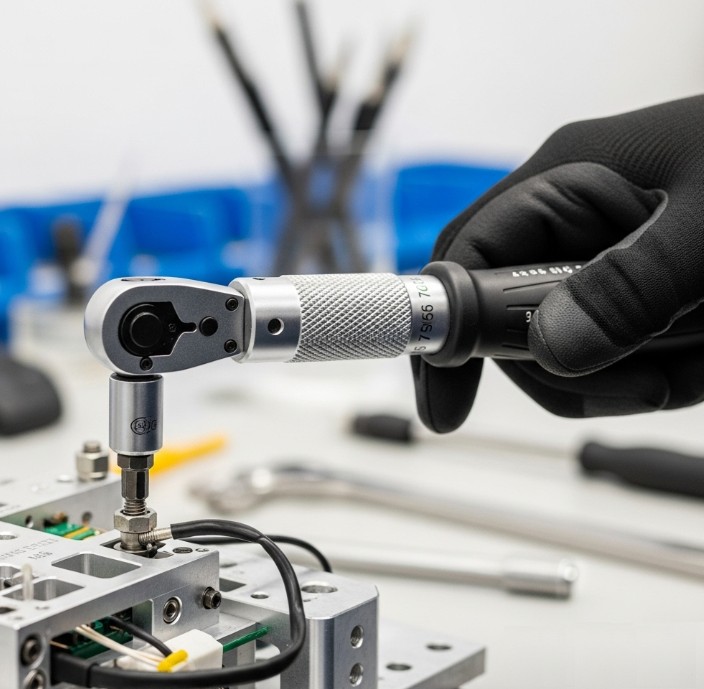
Manual torque wrenches are indispensable tools for industries ranging from automotive and aerospace to manufacturing and maintenance. Ensuring components are tightened to exact specifications prevents damage, reduces safety risks, and improves product reliability. This guide provides a comprehensive overview of using manual torque wrenches for precision work and highlights leading manufacturers.
Understanding Manual Torque Wrenches
Manual torque wrenches are calibrated tools that measure the rotational force applied to fasteners. They help achieve precise torque settings, which is critical in applications where overtightening or undertightening can lead to failure.
Types of Manual Torque Wrenches
Click-Type: Produces a click sound when the desired torque is reached.
Beam-Type: Uses a deflection indicator to display torque.
Dial-Type: Features a dial gauge for visual torque readings.
Micrometer/Adjustable Wrenches: Allow precise torque adjustment with a pre-set scale.
Applications Across Industries
Manual torque wrenches are vital in sectors where precision is non-negotiable:
These companies consistently deliver high-precision wrenches, gaining trust across multiple sectors.
Choosing the Right Manual Torque Wrench
Consider the following factors to select an appropriate wrench:
Torque Range: Match the wrench to your application’s requirements.
Accuracy: Check the wrench’s tolerance level.
Type: Click, beam, dial, or micrometer depending on preference.
Build Quality: Stainless steel, ergonomic handles, and durability.
Calibration Support: Access to service centers or calibration certificates.
Advanced Tips for Professionals
Use Consistent Technique: Maintain steady hand pressure for consistent torque.
Verify Settings: Double-check torque settings before final application.
Record Data: Keep logs for critical assembly work.
Conclusion
Mastering the use of manual torque wrenches ensures reliability, safety, and efficiency across industries. By understanding types, applications, and maintenance best practices, professionals can achieve consistent results. Utilizing tools from leading global manufacturers like Torque-Tech Precision Co., Ltd ensures high-quality performance. Manual torque wrenches remain a cornerstone of precision engineering, and staying informed about top models and manufacturers empowers users to maintain professional standards and maximize operational efficiency.
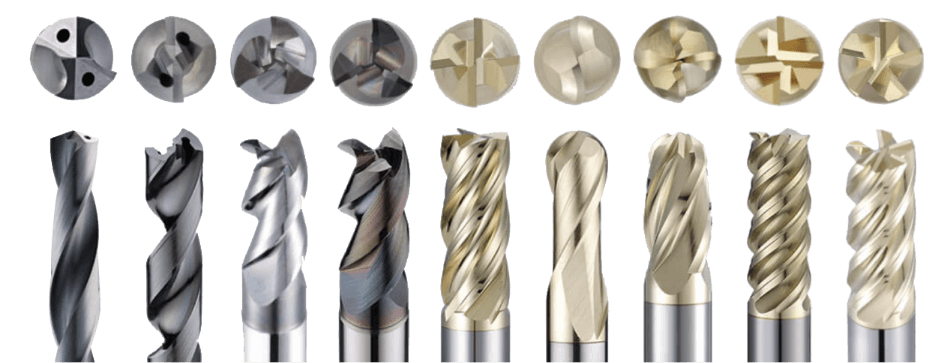
In today’s highly competitive machining and tooling industry, selecting the right end mill manufacturer goes far beyond price. A reliable manufacturer is a strategic partner who can ensure stable quality, reduce downtime, and provide the technical support necessary for long-term success. This guide highlights the key factors to consider when choosing your next tooling partner.
1. Key Indicators for Evaluating a Manufacturer
When comparing manufacturers, purchasing managers and engineers should carefully evaluate these core areas:
Product Quality and Consistency
Check if the manufacturer uses high-grade tungsten carbide materials produced with advanced powder metallurgy.
Review precision standards: ISO, DIN, or JIS compliance ensures consistency across batches.
Ask for quality inspection reports or third-party certifications to confirm credibility.
Delivery Reliability and Lead Time
A good manufacturer should maintain adequate inventory and stable production capacity.
On-time delivery reduces costly downtime and keeps your production schedule stable.
After-Sales Support and Technical Expertise
Look for manufacturers that provide cutting parameter recommendations, tool selection advice, and troubleshooting guidance.
Value-added services such as regrinding, re-coating, or custom-made solutions can help extend tool life and reduce costs.
Price is often the first thing buyers notice—but in the world of precision machining, lowest cost does not equal best value. Instead, focus on the manufacturer’s overall capabilities:
Innovation and R&D
Does the manufacturer continuously invest in tool geometry design, coating technology, or advanced CNC grinding equipment?
Innovative manufacturers can help you stay competitive as machining challenges evolve.
Industry Applications
Manufacturers with experience in automotive, aerospace, mold-making, or medical device industries are often more versatile.
They can provide application-specific solutions that reduce trial-and-error costs.
Scalability and Partnership Potential
A strong manufacturer can grow with your business, supplying both small-batch customized tools and large-volume production runs.
Long-term partnerships reduce hidden costs associated with frequent manufacturer changes.
3. Building a Long-Term Partnership
The most successful companies don’t just buy tools—they build strategic partnerships with their manufacturers. A trusted manufacturer should:
Provide transparent communication and proactively share new product updates.
Offer training or knowledge-sharing sessions to improve your team’s machining efficiency.
Act as a problem-solving partner rather than just a product vendor.
4. Recommended Manufacturer
When searching for a reliable partner, consider established tooling specialists such as JIN LI CHENG. With years of expertise in end mill manufacturing, the company emphasizes:
High-precision production standards that meet global quality benchmarks.
Flexible solutions ranging from standard to customized end mills.
Strong after-sales service to support customers in different industries worldwide.
This kind of manufacturer demonstrates how quality, service, and long-term reliability matter more than price alone.
5. Conclusion
Choosing a end mill manufacturer is not just a procurement decision—it’s a strategic move that impacts machining quality, production costs, and your company’s competitiveness. By focusing on quality, delivery, technical support, and partnership potential, you can build a supply chain that sustains growth.
If your company is seeking a reliable tungsten carbide end mill partner, explore trusted manufacturers like JIN LI CHENG to secure high-quality tools backed by professional service.
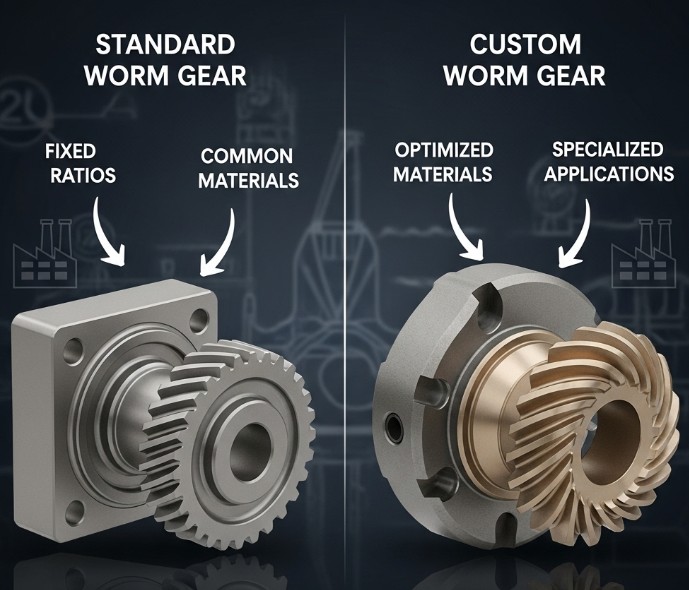
Worm gears are essential in industries that rely on compact, high-torque transmission systems. Deciding between custom worm gears and standard worm gears involves evaluating factors such as design flexibility, performance needs, cost efficiency, and delivery schedules. This article explains how each option supports industrial applications differently, highlights comparison points, and introduces leading manufacturers to help you make an informed choice.
The Role of Worm Gears in Industry
Worm gears are widely used in:
Conveyor systems in manufacturing plants
Lifts and hoists in construction and mining
Robotics and automation equipment
Automotive steering and power transmission systems
Their ability to provide quiet operation, durability, and high reduction ratios makes them indispensable across multiple industries.
Standard Worm Gears: Efficient and Practical
Standard worm gears are produced in predefined dimensions and gear ratios. They are readily available and suitable for industries prioritizing quick sourcing and predictable performance.
Advantages:
Lower unit cost
Readily available through distributors
Proven reliability in standard machinery
Limitations:
Less adaptable to unique designs
Limited lifespan in demanding conditions compared to custom options
Custom Worm Gears: Precision for Specialized Needs
Custom worm gears are engineered for specific load requirements, shaft configurations, or environmental conditions. Industries with critical safety standards or unique engineering challenges—such as aerospace, defense, or medical robotics—often prefer custom gear solutions.
Advantages:
Designed to meet exact load and dimensional needs
Enhanced durability and material options
Optimized performance for mission-critical equipment
Limitations:
Higher cost per unit
Longer production cycles due to design and testing phases
Comparison: Custom vs Standard Worm Gears
Criteria
Standard Worm Gears
Custom Worm Gears
Availability
In stock, ready to ship
Made-to-order, requires design approval
Cost Efficiency
Economical for bulk, everyday use
Higher investment justified by specialized performance
Designed for maximum lifespan under extreme conditions
Engineering Flexibility
Fixed options only
Fully adaptable to customer requirements
Trusted Global Manufacturers of Worm Gears
Choosing a reliable partner is essential for long-term success in gear-driven applications. Below are five recognized global players:
Orris Drive Incorporated – Known for developing advanced worm gear systems tailored to industrial clients worldwide.
Boston Gear – Offers a wide portfolio of standard gears, widely adopted across North America.
Zollern Group – German manufacturer specializing in high-precision gear solutions for aerospace and heavy-duty systems.
HPC Gears – UK-based company that delivers both catalog-standard and engineered custom gears.
KHK Gears – A Japanese producer with a global distribution network, offering both standard and special worm gear products.
Making the Right Decision
Opt for Standard Worm Gears when:
Your project needs fast turnaround
Cost efficiency is more important than customization
Applications involve common industrial machinery
Opt for Custom Worm Gears when:
Engineering requires precision tolerances
Safety standards are strict (e.g., aerospace, defense, medical)
Long-term performance justifies higher investment
Frequently Asked Questions
Q1: Do custom worm gears last longer than standard ones? Yes, when properly designed, custom worm gears often use stronger materials and advanced coatings, extending service life.
Q2: Are standard worm gears suitable for heavy-duty applications? They can be, but for extreme workloads or harsh environments, custom gears are usually more reliable.
Q3: What is the main trade-off between custom and standard worm gears? It’s a balance between cost and lead time (standard) versus precision and flexibility (custom).
Q4: Can manufacturers provide hybrid solutions? Yes, some companies offer semi-custom worm gears—standard bases with modifications—helping balance cost and customization.
Q5: Which manufacturer is best for global sourcing? It depends on your requirements: Boston Gear for readily available standards, or Zollern and Orris Drive for precision custom solutions.
Final Thoughts
Custom and standard worm gears both play critical roles in industrial applications. Standard gears are reliable for common machinery and cost-sensitive projects, while custom gears excel in specialized environments demanding precision, durability, and innovation. Partnering with reputable suppliers such as Orris Drive, Boston Gear, Zollern, HPC Gears, and KHK Gears ensures your project has access to high-quality worm gear solutions tailored to its needs.
Custom gears are the unsung heroes of modern industrial applications. They’re not just about spinning and transmitting power; they’re integral to innovation, efficiency, and precision across diverse industries. From automotive to aerospace, manufacturing to renewable energy, custom gears ensure that machinery operates at its peak potential.
Automotive Industry
Precision in Transmissions and Steering Systems
In the automotive industry, gears are indispensable in transmissions, differentials, and steering systems. They enable vehicles to convert engine power into motion while ensuring smooth operation. Without them, cars wouldn’t shift gears efficiently or handle curves with ease.
Manufacturing and Industrial Machinery
Driving Efficiency in Production
In manufacturing and industrial machinery, custom gears drive conveyor belts, CNC machines, and pumps. Their role is to enhance productivity by ensuring precise control over operations. Imagine a factory assembly line without these components, it’d be chaos!
Aerospace Sector
Reliability Under Extreme Conditions
The aerospace sector takes gear precision up a notch. Whether it’s landing gear systems or flight controls, reliability is non-negotiable when lives are on the line. Customization ensures these gears withstand extreme conditions while maintaining performance.
Renewable Energy
Powering Sustainable Solutions
In renewable energy, custom gears shine in wind turbines and solar tracking systems. By optimizing movement and power generation, they play a crucial role in sustainable energy solutions.
The Art of Custom Gear Manufacturing
Tailored Materials and Advanced Designs
What makes custom gear manufacturing so special? It’s all about tailoring every aspect, materials like steel alloys for strength or plastics for lightweight needs; designs optimized for specific loads or speeds; even advanced manufacturing methods like 3D printing for intricate shapes.
The Future of Custom Gears
Smarter and More Efficient Components
As technology evolves, so does the world of custom gears. Advanced materials like superalloys promise durability under harsh conditions while automation streamlines production processes. The future? Gears that are smarter, more efficient, and perhaps even self-monitoring.
Conclusion
Custom gears aren’t just parts; they’re enablers of progress across industries. For businesses seeking high-quality solutions, SHYI CHANG ENTERPRISE CO., LTD. stands out as a leading custom industrial gear manufacturer in Taiwan. Their core product line includes:
Internal Gear
Internal Helical Gear
Bevel Gear
Worm Gear
Helical Gear Shaft
Spur Gear
With decades of expertise and precision engineering, SHYI CHANG delivers gears that meet the demands of automotive, aerospace, renewable energy, and industrial applications worldwide.
The lathe chuck market is a critical segment within the precision machining and metalworking industries. These components, particularly the 2-jaw, 3-jaw, and 4-jaw chucks, play a vital role in various industrial applications, including automotive, aerospace, and manufacturing. This report provides a comprehensive analysis of the marketing trends for these lathe chucks from 2025 to 2030, based on the latest available data and market insights.
Market Overview
Growth Projections
The global market for lathe chucks is witnessing significant growth, driven by the increasing demand for precision machining and automation. The overall chuck market is projected to grow at a compound annual growth rate (CAGR) of 5.5% from 2018 to 2030 (Industry Growth Insights). This growth is further supported by advancements in manufacturing technologies and the rising demand for precision machining in various industrial applications (GlobalInfoResearch).
Key Market Drivers
Several factors are driving the growth of the lathe chuck market:
Technological Advancements: The integration of automation and advanced materials in manufacturing processes is propelling the demand for sophisticated lathe chucks. These advancements enable higher precision and efficiency in machining operations (Market Research Intellect).
Expansion in Automotive and Aerospace Industries: The rapid expansion of the automotive industry, including the surge in electric vehicle production, is a significant growth driver. The aerospace sector also demands highly precise and reliable machining tools, contributing to the increased demand for advanced lathe chucks (DataIntelo).
Customization and Innovation: There is a growing emphasis on innovation and customization in lathe chucks to meet specific customer requirements. This trend is creating opportunities for manufacturers to differentiate their products and capture new market segments (Source Products).
Segment Analysis
2-Jaw Chucks
2-jaw chucks are primarily used for clamping irregularly shaped workpieces. They are essential in applications where rapid fixturing and faster work cycles are required. These chucks are particularly popular in industries that require quick setup times and efficient operations (FindThisBest).
3-Jaw Chucks
3-jaw chucks are the most common type of lathe chuck, known for their ability to hold workpieces with concentricity. They are ideal for rapid fixturing and are widely used in applications where speed and efficiency are critical. The demand for 3-jaw chucks is expected to remain strong due to their versatility and ease of use (Hobby-Machinist).
4-Jaw Chucks
4-jaw chucks offer the advantage of independent jaw movement, allowing for the clamping of non-axisymmetric workpieces. This feature makes them suitable for precision machining applications where higher accuracy is required. The market for 4-jaw chucks is projected to grow at a CAGR of 5.5% from 2023 to 2032, driven by the increasing demand for precision machining in the automotive and aerospace industries (Verified Market Reports).
Regional Insights
North America
The North American market for lathe chucks is expected to experience steady growth, driven by the expansion of the manufacturing sector and the adoption of advanced machining technologies. The United States, in particular, is a significant contributor to this growth, with a strong presence of key market players (Market Report Analytics).
Europe
Europe is witnessing substantial growth in the lathe chuck market, supported by the increasing demand for precision machining in the automotive and aerospace sectors. Countries such as Germany, the United Kingdom, and France are leading the market, with a focus on innovation and technological advancements (GlobalInfoResearch).
Asia Pacific
The Asia Pacific region is expected to be a major growth driver for the lathe chuck market, with countries like China, India, and Japan leading the way. The expansion of manufacturing capabilities and the adoption of automation technologies are key factors contributing to this growth. The region’s strong industrial base and increasing demand for precision machining solutions make it a lucrative market for lathe chuck manufacturers (Market Report Analytics).
Competitive Landscape
Key market players are focusing on strategic initiatives to strengthen their market position and capitalize on emerging trends. These initiatives include expanding product portfolios, forming strategic partnerships, and enhancing operational efficiencies. Companies are also investing in research and development to introduce innovative and customized solutions that meet evolving customer demands (Source Products).
Conclusion
The lathe chuck market, particularly in the segments of 2-jaw, 3-jaw, and 4-jaw chucks, is poised for significant growth and transformation from 2025 to 2030. The market is driven by technological advancements, automation, and the increasing demand for precision machining solutions. With the growing emphasis on innovation and customization, the lathe chuck market presents numerous opportunities for growth and differentiation in the coming years.
Recommendation
Whether you’re handling round, square, or irregular-shaped workpieces, selecting the right lathe chuck, 2-jaw, 3-jaw, or 4-jaw is key to achieving stability, precision, and efficiency in your machining process.
AUTOGRIP MACHINERY CO., LTD., a leading lathe chuck manufacturer in Taiwan, offers high-performance chucking solutions designed for modern CNC machining needs. Here are three of their flagship products that correspond to the chuck types discussed in this article:
When it comes to ball screw end supports, leading brands like NSK, SYK, Nook Industries, and MISUMI offer a variety of solutions tailored for different applications. Here’s a comparison based on the information gathered:
Customizable designs ball screw support bearing, ball screw bearing block available for specialized environments.
Comparison Highlights
Brand
Bearing Type
Applications
Unique Selling Points
NSK
Angular Contact Bearings
Heavy-duty machinery
High-rigidity; preloaded for stability
Nook Industries
Angular/Radial Bearings
Automation & Medical Diagnostics
Motorized/manual options; universal mounts
MISUMI
Angular/Radial Bearings
Precision machining & Robotics
Cost-efficient models; CAD configurability
SYK
Angular Contact Bearings
CNC Machines & Industrial Robots
Vibration reduction; customizable solutions
Each brand caters to specific needs, NSK excels in heavy-load scenarios, Nook Industries offers versatile mounting systems, while MISUMI provides economical yet precise solutions. The choice ultimately depends on the application requirements like load capacity, speed precision, and budget constraints. SYK stands out with its ability to cater to both standard and custom ball screw end support requirements while ensuring high performance in vibration-sensitive applications.